
T2 Corporate Tax Filing in Saskatchewan: What Saskatoon Business Owners Need to Know
By Patrick Vachon · October 17, 2026
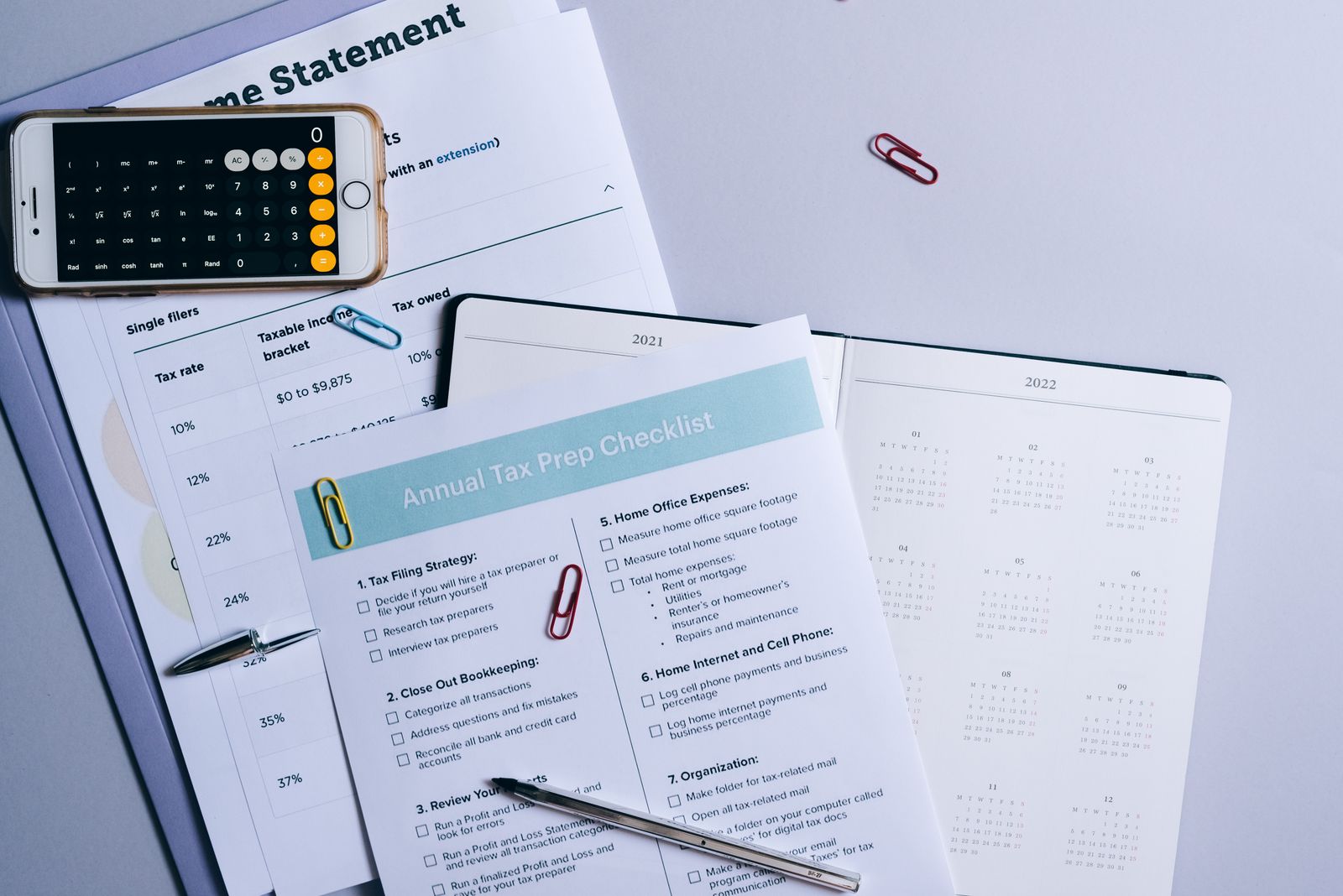
Operating an incorporated business comes with administrative responsibilities, including maintaining financial records and meeting applicable tax filing requirements. For many business owners, understanding T2 corporate tax filing in Saskatchewan is an important part of staying organized.
The T2 Corporation Income Tax Return is used by corporations to report relevant financial and tax information to the Canada Revenue Agency (CRA). Corporate filing requirements differ from personal income tax reporting, and deadlines depend on the corporation's circumstances.
This guide explains what a T2 return is, which records to prepare, how filing deadlines work, and how business owners in Saskatoon can organize their corporate tax administration.
This article provides general information, not individualized tax or legal advice.
What Is a T2 Corporate Income Tax Return?
A T2 Corporation Income Tax Return is the federal corporate income tax return used to report a corporation's relevant income, deductions, and tax information.
Generally, resident corporations must file a T2 return for each tax year, even when no tax is payable, subject to specific exceptions. The CRA explains these requirements in its corporation income tax return guidance.
The information required depends on the corporation's activities, financial position, and applicable tax rules.
A T2 return is not the same as a personal income tax return. It also differs from GST/HST reporting and Saskatchewan corporate registry filings.
Who Needs to File a T2 Corporate Tax Return?
Many incorporated businesses must file a T2 return every tax year. This can include active corporations and certain inactive or tax-exempt corporations, subject to applicable exceptions.
A corporation should not assume that it has no filing obligation simply because it earned no revenue or owes no tax.
Sole proprietorships generally report business income through the owner's personal tax return rather than filing a T2 solely because they operate a business. Other structures may have different obligations.
If you are unsure which requirements apply, consult the CRA or an appropriately qualified tax professional.
T2 Filing Deadlines vs. Corporate Tax Payment Deadlines
Understanding the difference between filing a return and paying a tax balance is essential.
| Requirement | General explanation |
|---|---|
| T2 filing deadline | Generally six months after the end of the corporation's tax year |
| Corporate tax payment deadline | Depends on the corporation's circumstances and applicable payment rules |
| Instalment payments | May apply depending on the corporation's circumstances |
| Registry annual return | A separate corporate registry obligation where applicable |
For example, a corporation with a March 31 tax year-end will generally have a T2 filing deadline of September 30. Other tax year-ends produce different deadlines.
The payment deadline may occur before the return filing deadline. The applicable rules can depend on the corporation's circumstances, including eligibility for particular payment extensions.
Always verify your specific dates using the CRA's official T2 filing deadline guidance and corporate tax dates.
What Documents Should You Prepare for T2 Filing?
Preparing documents early can make corporate tax filing administration more organized.
Depending on your corporation's activities, useful documents may include:
- Financial statements or bookkeeping summaries.
- Revenue and expense records.
- Bank and credit card statements.
- Sales and supplier invoices.
- Records of equipment or other asset purchases and disposals.
- Payroll information, where applicable.
- Previous corporate tax returns and relevant CRA correspondence.
- Information about relevant deductions, credits, or other tax matters.
- Supporting records for transactions requiring special consideration.
The exact information required varies by corporation. A qualified tax preparer can identify additional schedules and documentation relevant to your situation.
Common Corporate Tax Filing Mistakes
1. Missing the filing deadline
Track the corporation's tax year-end and confirm the applicable filing deadline well in advance.
2. Assuming no tax means no return
A corporation may have a filing obligation even when it has no tax payable. Confirm the applicable CRA requirements.
3. Maintaining incomplete financial records
Missing invoices, unclear transactions, or inconsistent expense records can complicate preparation.
4. Confusing filing and payment dates
The return filing deadline and the tax payment deadline are separate. Track both.
5. Confusing T2 filing with registry annual returns
A CRA corporate tax return and a Saskatchewan corporate registry annual return serve different purposes and may both apply.
T2 Corporate Tax Filing vs. ISC Annual Returns
Business owners sometimes confuse federal tax reporting with corporate registry administration.
| T2 corporate tax return | Saskatchewan corporate registry annual return |
|---|---|
| Submitted to the CRA | Filed through the applicable Saskatchewan corporate registry process |
| Reports corporate income tax information | Supports applicable registry reporting and corporate information maintenance |
| Follows CRA tax rules and deadlines | Follows the relevant registry requirements and deadlines |
| Concerns corporate tax reporting | Concerns corporate registry compliance |
For corporate registry information, consult ISC Corporate Registry.
Completing one filing does not automatically complete the other.
When Should You Seek T2 Filing Support?
Administrative support may be useful when you need to organize financial documents, prepare records for a tax preparer, or keep track of filing-related paperwork.
For tax calculations, interpretation of tax law, or complex tax positions, consult a qualified tax professional. Confirm exactly what any service provider does before engaging them.
Vici SaskStartupSolutions offers a point of contact for inquiries about T2 corporate tax filing administration support in Saskatoon. Discuss the scope of support available and any work that requires a qualified tax professional.
Frequently Asked Questions About T2 Corporate Tax Filing in Saskatchewan
1. What is a T2 corporate tax return?
It is the corporate income tax return used to report relevant corporate tax information to the CRA.
2. When is a T2 return due in Saskatchewan?
Generally, it is due within six months after the end of the corporation's tax year. Confirm the specific deadline with the CRA.
3. Does an inactive corporation need to file a T2 return?
Generally, resident corporations must file annually even if inactive or if no tax is payable, subject to specific exceptions. Check the CRA's current rules.
4. Is the T2 filing deadline the same as the corporate tax payment deadline?
No. The filing deadline is generally six months after the tax year-end, while the payment deadline depends on applicable rules and the corporation's circumstances.
5. Is a T2 return the same as an ISC annual return?
No. A T2 is a corporate income tax return filed with the CRA. An ISC annual return is a separate corporate registry filing where applicable.
Organize Your Corporate Tax Administration
Preparing accurate records early can make the corporate tax filing process easier to manage. Confirm the applicable deadlines, keep supporting documents organized, and seek qualified advice when needed.
Need help organizing your corporate filing paperwork? Contact Vici SaskStartupSolutions to discuss T2 corporate tax filing administration support in Saskatoon.
Ready to get organized?
Book a free introduction appointment or reach out with any questions — no obligation.